
This section presents my Design Thinking project, documenting the application of the design thinking process through a comprehensive report and project presentation video.
Summary about our Design Thinking Project
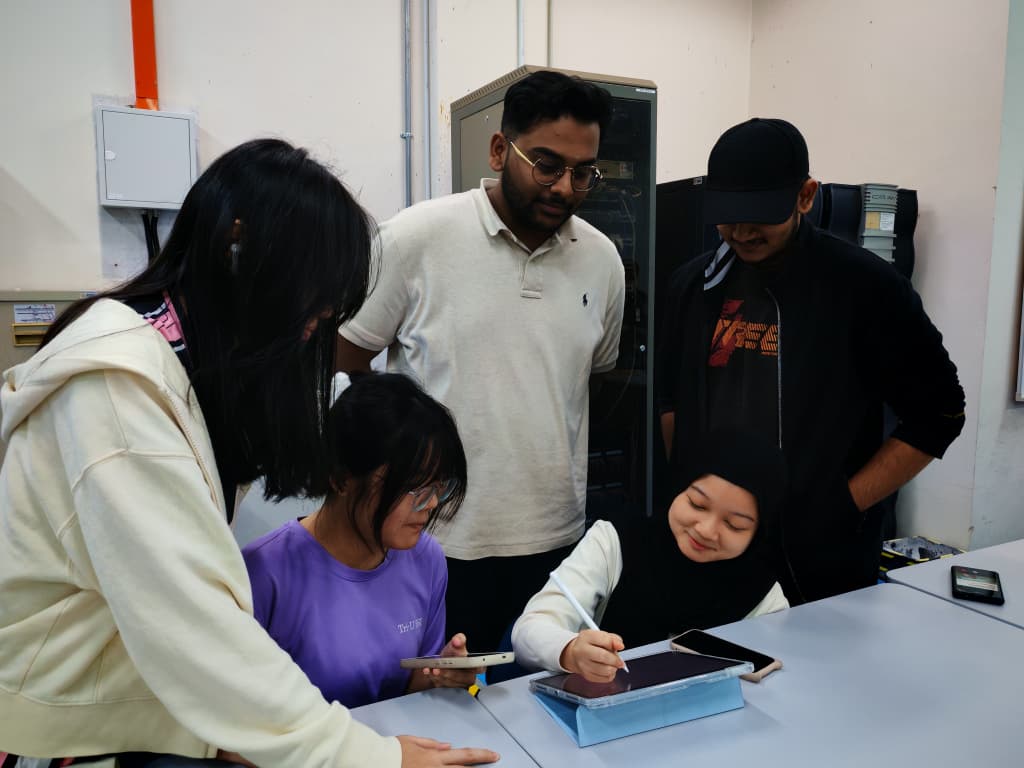
Me and my group of 4 friends developed a Design Thinking project about a travel planning app. This application makes travelling much easier and less burdensome. The app was created by implementing 5 key stages, which are empathy, define, ideate, prototype and test. With this project, we identified travellers' problems in travel planning and proposed practical and logical solutions that improve the organisation, efficiency and overall user experience.
This design planning assignment allowed me to see the System Development Life Cycle (SDLC) in action. I was able take part in every step of the process. First, figuring out what users actually need or locating the problem. Then, designing and building the solution. It doesn’t end there. The solution should later be tested in a real world scenario. Working with four teammates to create a travel app made the whole process feel structured and practical, but also a little messy at times, which, honestly, was part of the learning. One thing that really hit me was just how much software development depends on communication and teamwork. Coordinating tasks, blending different ideas, and working under pressure and time constraints reminded me that coding is only one piece of the puzzle. The main thing is people collaborating to make something work. Constantly amending based on user feedback tested my creativity and analytical skills. It was challenging but rewarding in the end. I felt like I had gained not only technical skills but also other valuable qualities. The project boosted my confidence, sharpened my collaboration skills, and gave me a much clearer picture of what it really takes to tackle real-world software projects.

Report
This report documents our Design Thinking project, which follows the five phases of the design thinking process empathy, define, ideate, prototype, and test to develop a user centred travel planning application. It outlines the project methodology, timeline, task distribution, and assessment framework, while also including individual reflections that highlight teamwork, problem-solving, and learning outcomes throughout the project.
Video
This 3 minute presentation video explains the five phases of the design thinking process empathy, define, ideate, prototype, and test applied to our travel planning application, highlighting how each phase contributed to creating a user centred and practical solution.

Appreciation
I would like to express my sincere appreciation to my teammates Kisyorran, Zhi Kwan, Jing Ru, and Sofea, for their cooperation, commitment, and teamwork throughout this Design Thinking project. Their ideas, support, and collaborative efforts played a vital role in making this project a success. I would also like to extend my heartfelt thanks to Dr. Suri Ati for her valuable guidance, knowledge, and continuous support, which greatly contributed to the successful completion of this project.